
Future-proofing the eCall: The hidden 4G fix
How CARIAD and Volkswagen Group brands keep drivers safe during network changes.
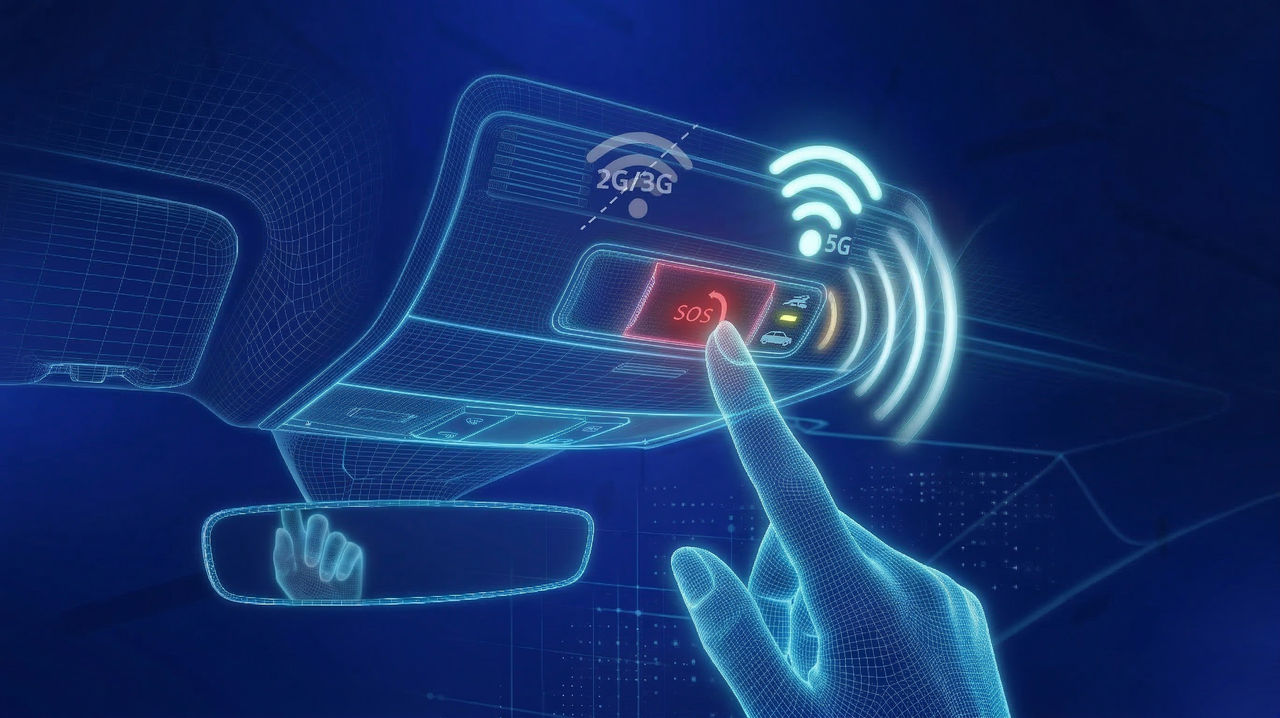
eCall is one of those systems that may seem inconspicuous at first glance, but becomes life-saving when it matters most. It operates in modern vehicles worldwide. When someone manually places an emergency call, they must react quickly under stress while providing precise, critical information – such as their location. eCall takes this burden away.
The vehicle automatically detects a severe accident through triggers such as airbag deployment or crash sensor activation. The system then establishes both voice and data connections via the mobile network to the European emergency call center (112) or a private call center (Private SOS). Critical data including location, vehicle type, direction of travel, and time is transmitted, enabling rescue services to respond faster and more effectively.
Additionally, eCall enables manual emergency calls via an in-vehicle button when occupants need to request assistance themselves. Thus, eCall is a life-saving safety function that has significantly contributed to faster treatment of accident victims and more efficient emergency service alerts since its introduction.
However, the service currently faces a new challenge.
The mobile network transition challenge
When eCall was introduced as legally mandatory in Europe in early 2018, vehicle generations utilized 2G or 3G mobile technology – the state of the art at that time. Today, however, we're in the midst of a mobile standards transition: many network operators are progressively decommissioning older technologies –including 2G and 3G networks – to free capacity for modern networks like 5G and also 4G.
What does this mean technically?
When a Telematics Control Unit (TCU) in a vehicle only supports 2G or 3G and the vehicle is located in an area where only 4G or 5G is available, that TCU currently cannot establish a connection – it remains offline until it comes back within range of an older mobile tower.
The good news: Our current Volkswagen Group TCUs in the field are already hardware-equipped for 4G.
- Private SOS supports all mobile standards (2G, 3G, 4G) and is therefore already independent of mobile network infrastructure today
- In parallel, we are developing Next Generation eCall, ensuring not only that the private emergency call is future-proof, but also that the legally mandated emergency call (NGeCall) is independent of mobile standards
Regulatory compliance secured
Regulatorily, the situation is clear: EU eCall regulation obligates vehicle manufacturers to implement the function technically correctly; however, availability of public network infrastructure rests with Mobile Network Operators (MNOs). These operators provide early notification of network shutdowns through GSMA (Groupe Speciale Mobile Association, the global mobile communications association). Serial production teams within the brands work closely with these partners to bridge potential coverage gaps through roaming or alternative network partners.
Example: In Sweden, one operator has already shut down 2G and 3G, while another operator still has both networks in its portfolio. For such cases, roaming is specifically adapted to ensure eCall remains usable – a solution that works as long as 2G/3G networks are still available.
Through new regulation, the European Union ensures that eCall will also function with 4G/5G networks in the future. This Next Gen eCall is already being implemented in current CARIAD platforms and will be available to customers in the first launches of ID.S 6.0, which will hit the streets soon with the Cupra Raval and ID.Polo. This ensures customers will have a mobile network-independent emergency call system at their disposal in the future.
"eCall is not a classic connected service feature that can simply be switched off or replaced. It is legally mandated and bears direct responsibility for human lives."
gEckhard Schock-Schmidtke
Product Manager ART Call Services at CARIAD


Why eCall remains a success
Despite technological disruptions, one thing is clear: eCall is a robust system. Even if temporary offline phases can occur in exceptional cases due to insufficient network coverage, the principle holds: as soon as a connection is reestablished, eCall is immediately available again. Many other online services in the vehicle – from streaming to location services – behave similarly: they simply interrupt operation when connectivity is missing and automatically resynchronize once the network returns.
*AI-generated imagery used for illustrative purposes.


-
The car that gives everyone their own weather
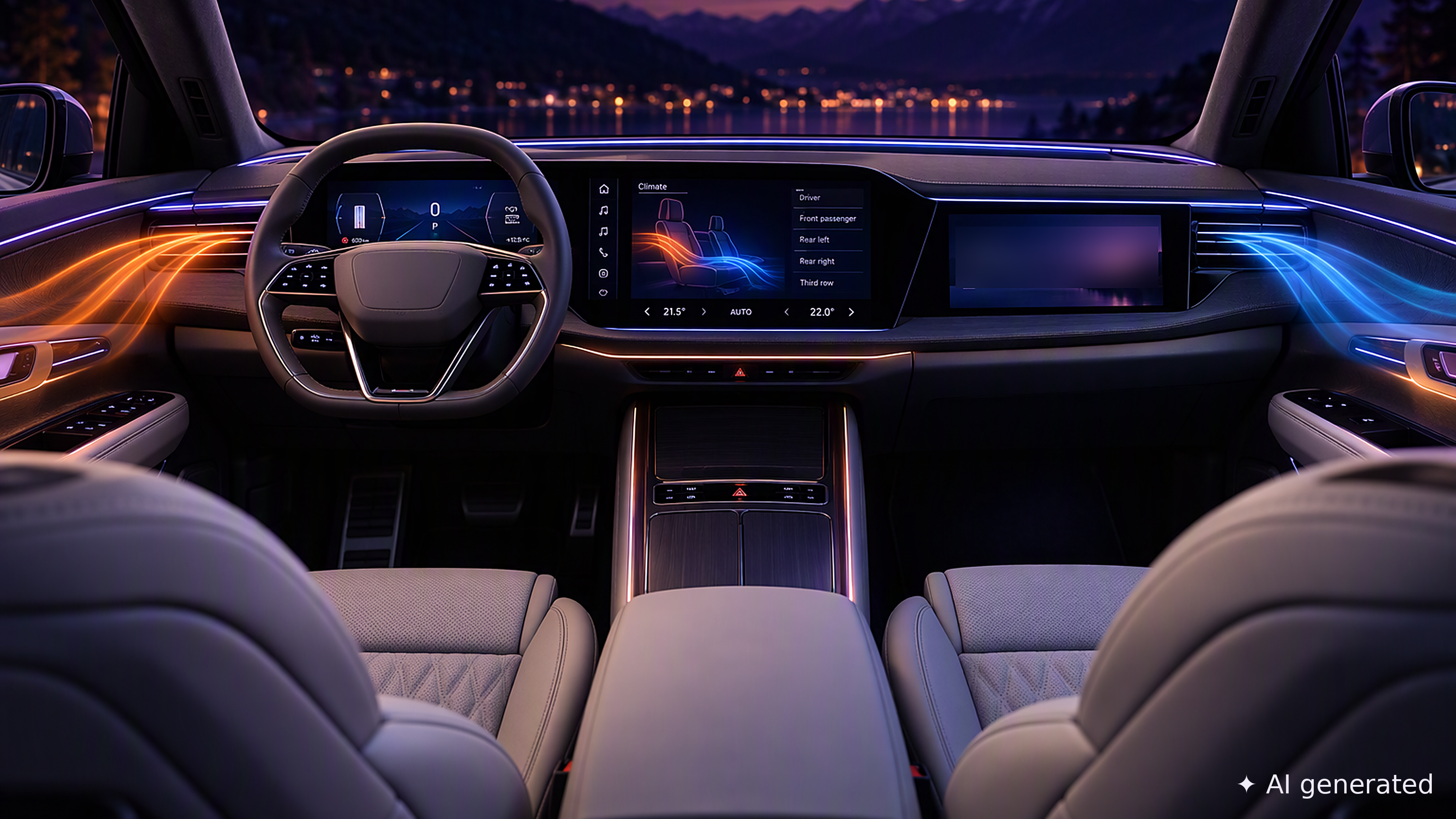 Five zones share one climate unit in the Audi Q9. Here is how the software keeps the driver cool, the kids warm and the third row in the game.19/10/2026
 -
DECODED: What is driving dynamics?
 The three kinds of motion behind every drive, and the software that keeps them in sync.22/09/2026
 -
DECODED: Why do modern cars need so many different sensors?
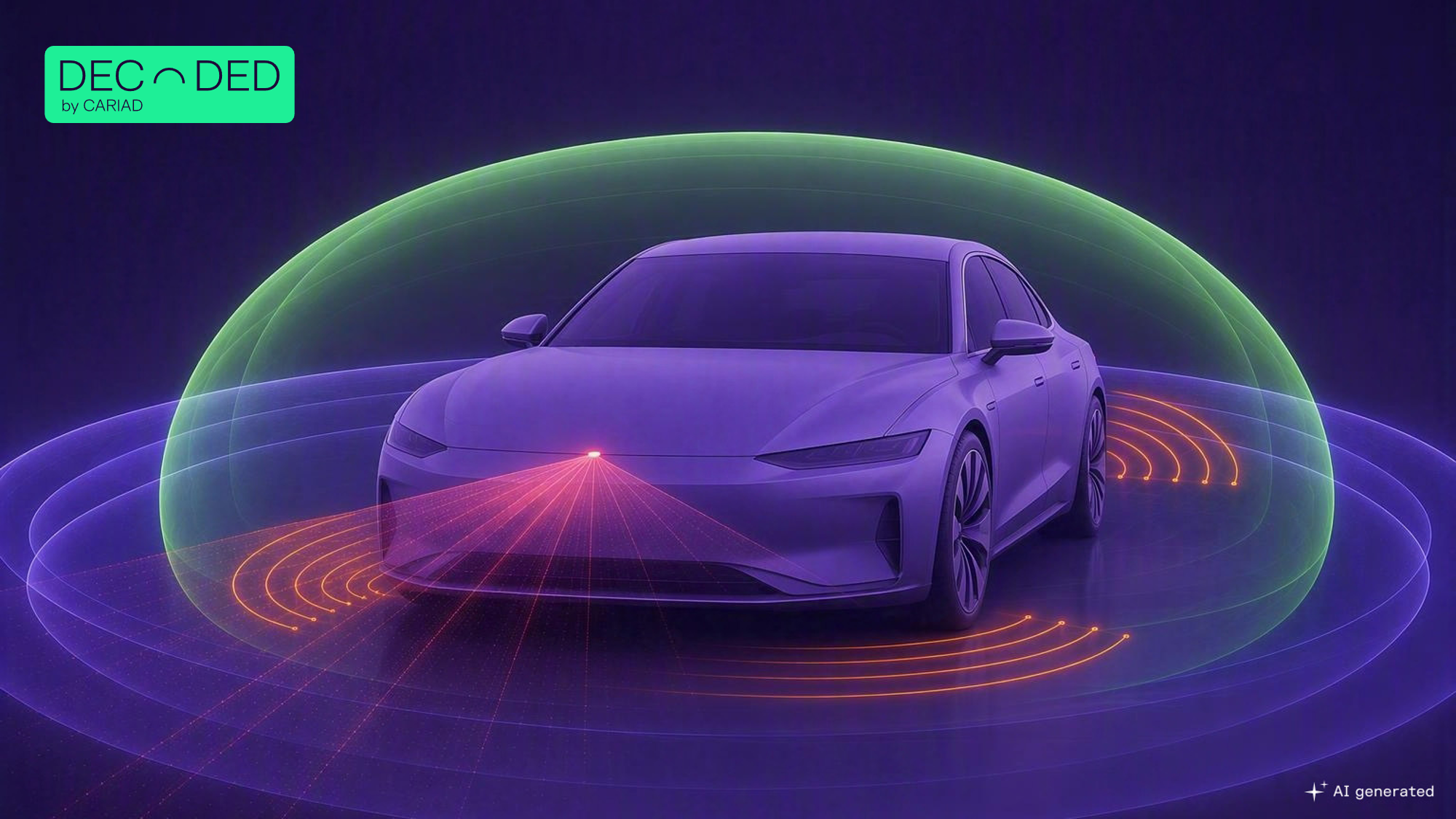 No single sensor sees it all. Discover why automated driving relies on multiple perspectives.09/09/2026