
A pulse inverter switches power electronics at high speed to shape the motor current into the waveform needed for smooth torque. It’s less like flipping a light switch and more like controlling rhythm and volume. In EV terms: better control supports efficiency, drivability, and reliability
05/06/2026
- 5 min.
This pulse inverter makes small EVs feel big
The Electric Urban Car Family launches with the Volkswagen Group’s first in-house pulse inverter, powered by CARIAD software. It brings high-end technology to entry-level mobility.
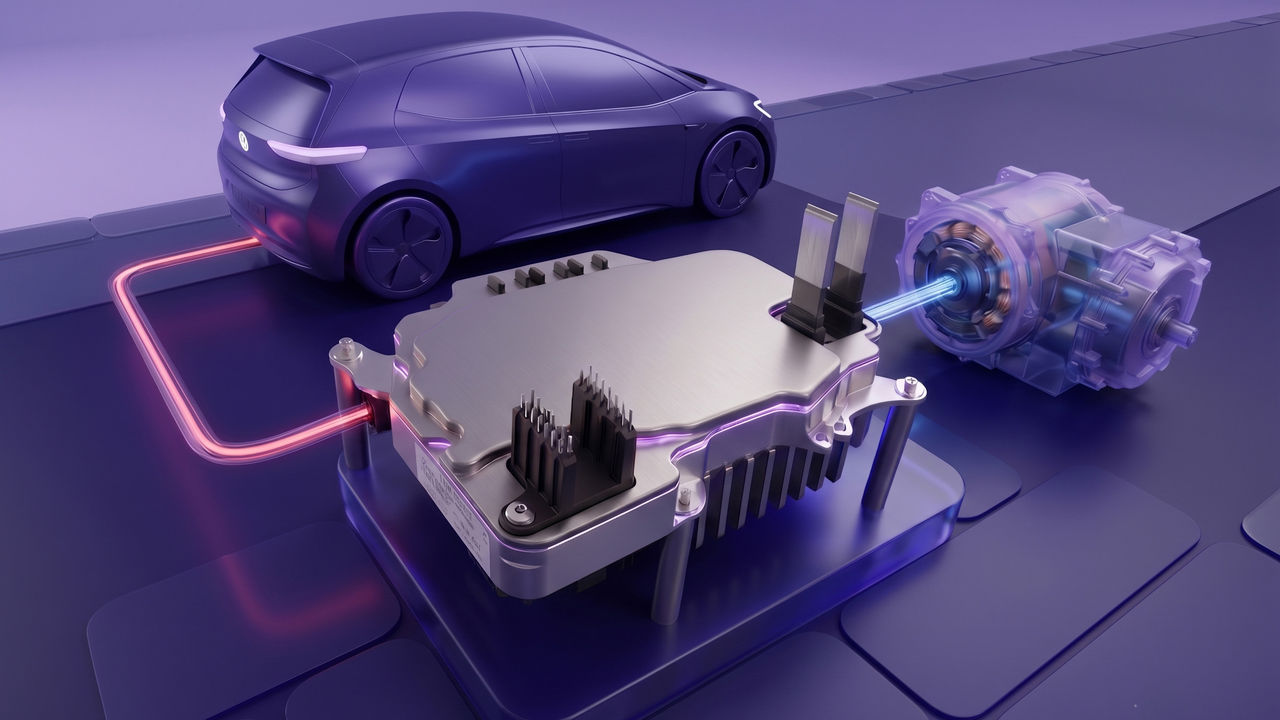
A lot of people think the hardest part of an electric car is the battery. But the moment you press the accelerator, the real performance story begins elsewhere: in the electronics that decide how cleanly, quietly, and efficiently the car turns stored energy into motion. In the Volkswagen Group’s Electric Urban Car Family, that story reaches a new milestone. For the first time, models like the ID. Polo, CUPRA Raval, and Škoda Epiq run with a pulse inverter engineered in-house by Volkswagen Group Components and powered by CARIAD software.
That matters because this new entry-level lineup is built to bring e-mobility to more people, not just early adopters. That’s why every percent of drivetrain efficiency and every detail in everyday comfort counts. Power electronics is where those gains are won or lost, millisecond by millisecond.
“The inverter is the brain of the electric drivetrain. It is the most complex and costly component within the E-Drive, and the key to unlocking system-level optimization.”
Alexander Krick, Head of Technical Development E-Drive, Power Electronics & Transmission at Volkswagen Group Components
The pulse inverter: the e-drive’s brain, translating energy into motion
Think of the inverter as a translator with a stopwatch. Your battery speaks direct current (DC). Your motor wants alternating current (AC). The inverter converts DC into precisely shaped AC in real time, based on how much torque you ask for and what the system can safely deliver. That conversion directly impacts efficiency and therefore range.
The Volkswagen Group’s first in-house developed pulse inverter has been engineered by Volkswagen Group Components and powered by CARIAD software. Over the last three years, teams jointly redesigned both hardware and software. The result follows a modular toolkit principle, built to scale from entry-level vehicles like the Electric Urban Car Family to performance segments with outputs of 500 kW and more.
“Power electronics only reach their full potential when you own the software. Building the inverter stack in-house means we can fix issues faster, tune behavior earlier, and ship improvements with much shorter loops.”
Tobias Schneider, Business Owner Power Electronics Software at CARIAD
What is a Pulse Inverter?
Two software layers decide how it feels to drive
The inverter software runs on two levels. The basic software acts like an operating system for the hardware. It manages communication with the vehicle bus, evaluates sensor signals, and provides security functions such as the immobilizer. It also integrates device drivers, diagnostics, and microcontroller integrity checks.
On top of that sits the application software. That’s where driving character is shaped: it controls and monitors the power electronics and the electric motor itself. One example is Harmonic Current Injection, a function designed to reduce tonal noise from the electric drive. In plain terms: by cutting airborne sound by up to 20 decibels, it delivers less “electric whine” and a much calmer cabin. It’s a detail you may never notice directly, but you will feel it as comfort, especially in compact cars where sound is harder to hide behind mass and insulation.
What is Harmonic Current Injection?
Electric motors can produce tonal noises depending on how current is switched and controlled. Harmonic Current Injection adjusts the current frequency spectrum to reduce specific noise components. The goal is not silence at any cost, but a smoother sound profile in everyday driving.
Why in-house development changes the pace of improvement
The Volkswagen Group decided to take this core competency in-house, aiming to provide key drivetrain elements from one source, including the inverter engineered by Volkswagen Group Components. For the development teams, that typically means fewer handovers and fewer black boxes when something needs to be tuned, fixed, or improved. This means shorter development cycles and faster implementation of innovations through full control, from low-level code to the application layer.
CARIAD develops scalable software and brings it into series production across multiple new models. The latest example is the Electric Urban Car Family with members like the ID. Polo, CUPRA Raval, and Škoda Epiq. When you build the stack yourself, the feedback loop gets tighter and the product gets better faster. This is not just a theoretic improvement, but it shows in how the car behaves more reliably on a rainy Tuesday commute.
“Full‑stack ownership lets us go from finding a defect to proving a fix on target hardware in very little time. That speed is the difference between guessing and knowing.”
Julia Schneider, Product Management Power Electronics Basic Software at CARIAD
Software for the Electric Urban Car Family: Affordable EVs without compromise
For drivers, the takeaway is simple: affordable EVs should not feel like compromises. Pricewise, the Volkswagen Group’s Electric Urban Car Family is an entry point for electric mobility. But it benefits from technology that is designed to be used across different brands and price segments. The inverter and its software matter because they touch several things at once: efficiency, performance feel, noise, and reliability.
For developers and engineers, this project is also a clear pattern: build modular hardware, run it with a layered software architecture, and keep ownership to improve continuously. Power electronics is not just a component hidden under the hood. In modern EVs, it is an intelligent control center that helps define efficiency, range, and driving dynamics. With that foundation, the same approach can travel well beyond small cars, across brands, and into future performance segments that demand even more precision.

Share this article


-
The car that gives everyone their own weather
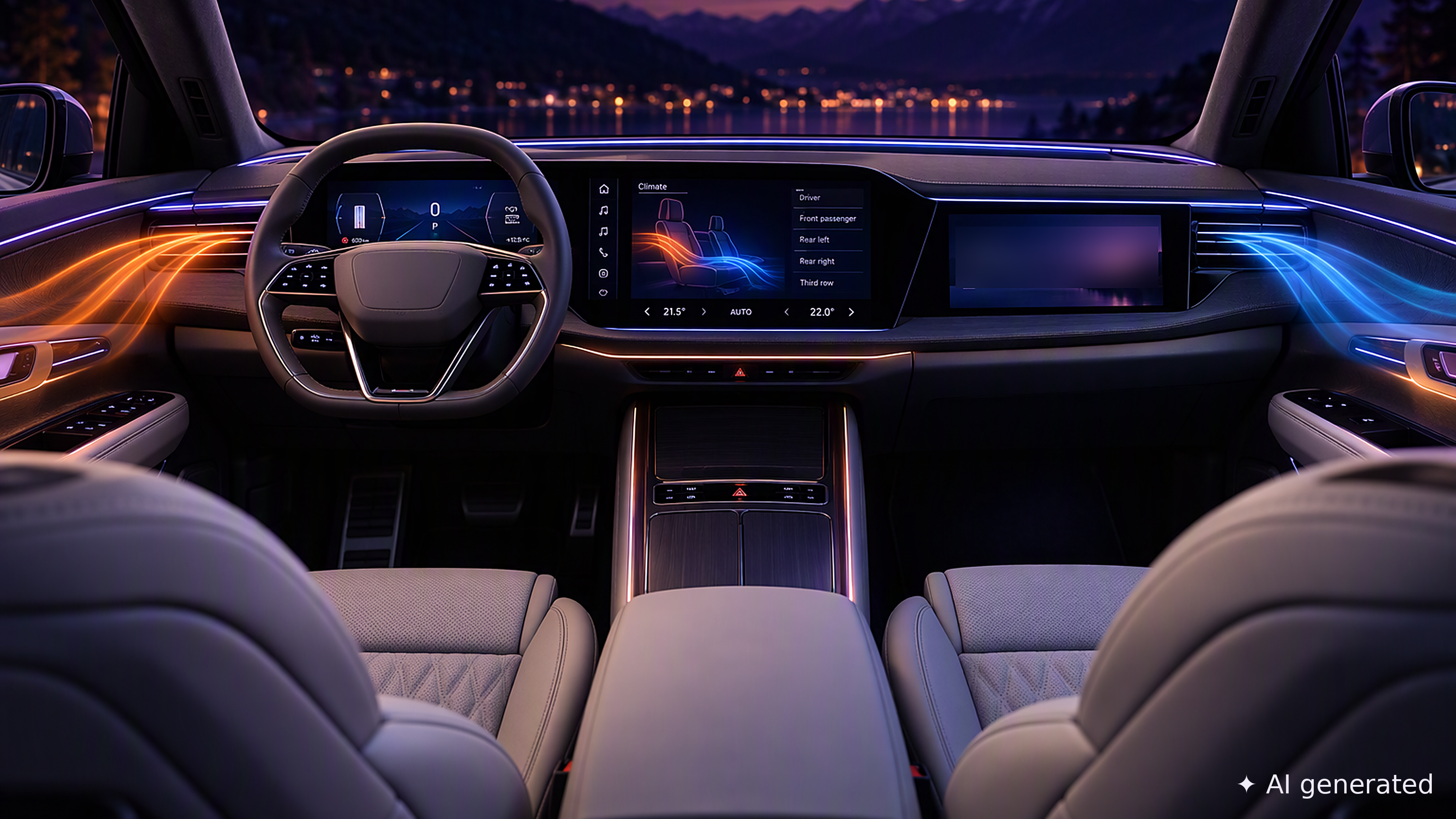 Five zones share one climate unit in the Audi Q9. Here is how the software keeps the driver cool, the kids warm and the third row in the game.19/10/2026
 -
DECODED: What is driving dynamics?
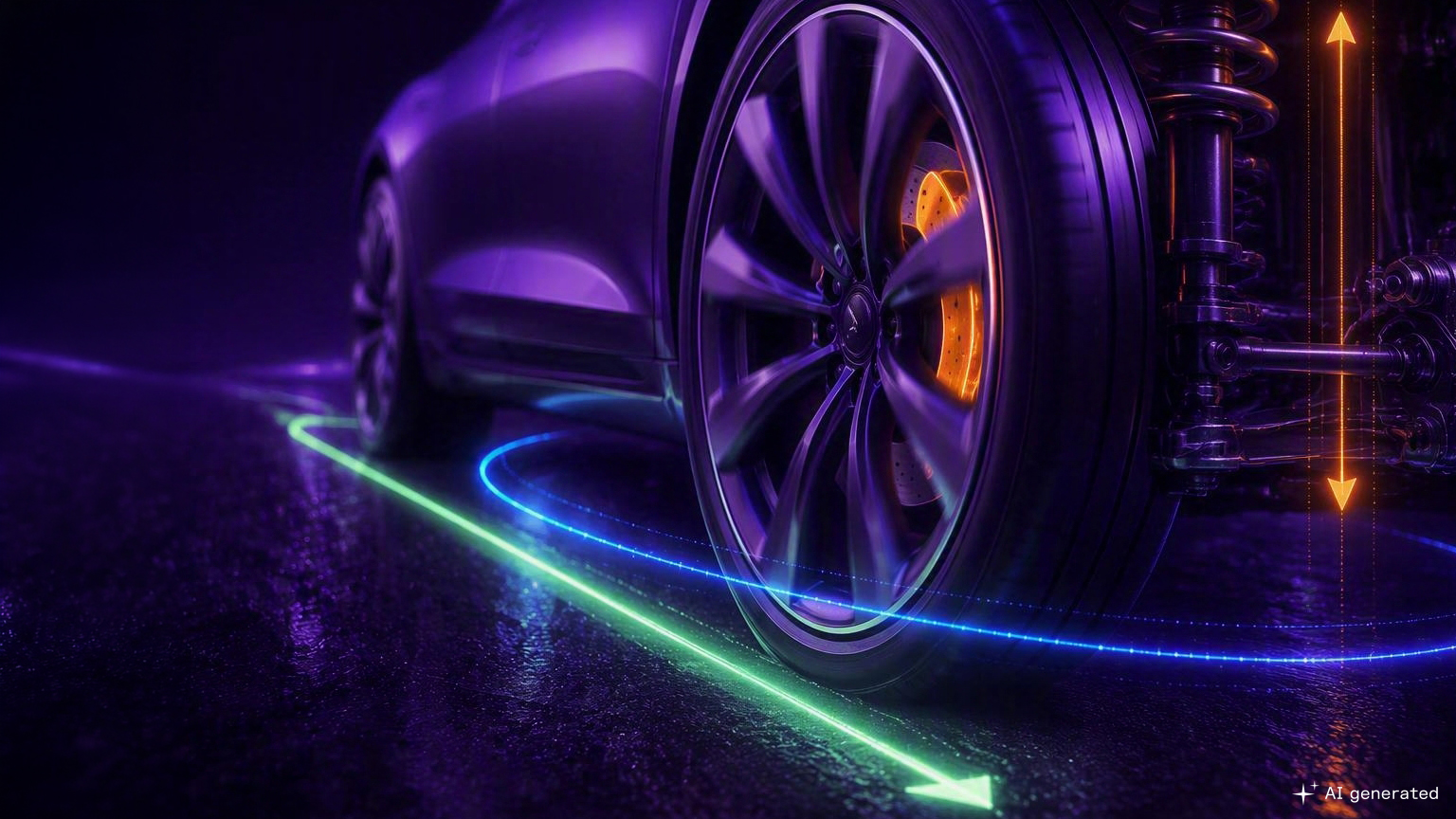 The three kinds of motion behind every drive, and the software that keeps them in sync.22/09/2026
 -
DECODED: Why do modern cars need so many different sensors?
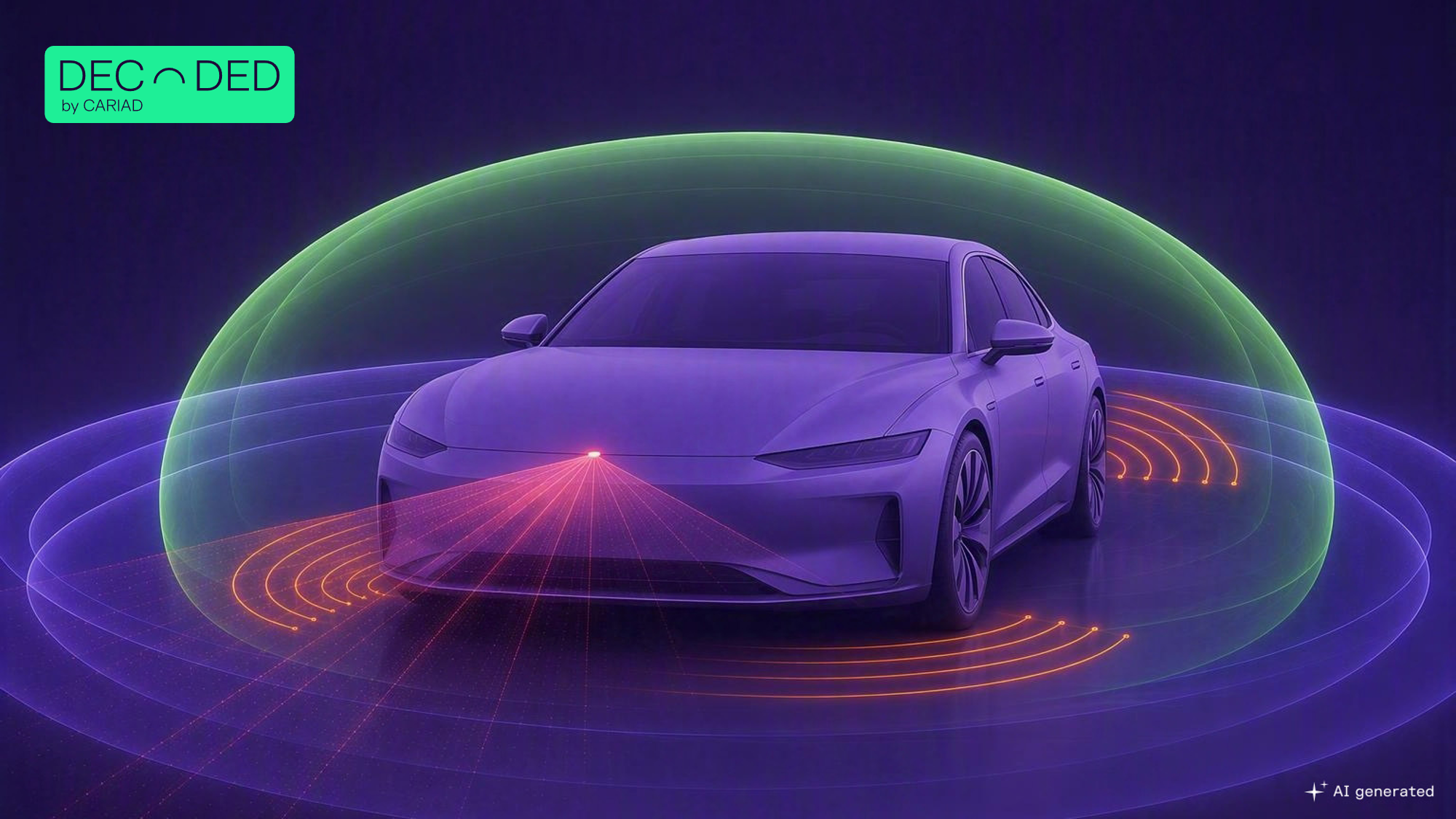 No single sensor sees it all. Discover why automated driving relies on multiple perspectives.09/09/2026