
Modern cars bring together navigation, charging services, digital assistants, entertainment and driver assistance systems. When these technologies can share relevant data and react to changing conditions, the vehicle becomes easier and more intuitive to use.
13/07/2026
- 4 min.
Before the final whistle: The software that drives us on matchday
As the World Cup heads into its final week, connected vehicle software can help fans plan routes, charging, updates and the ride to kick-off.
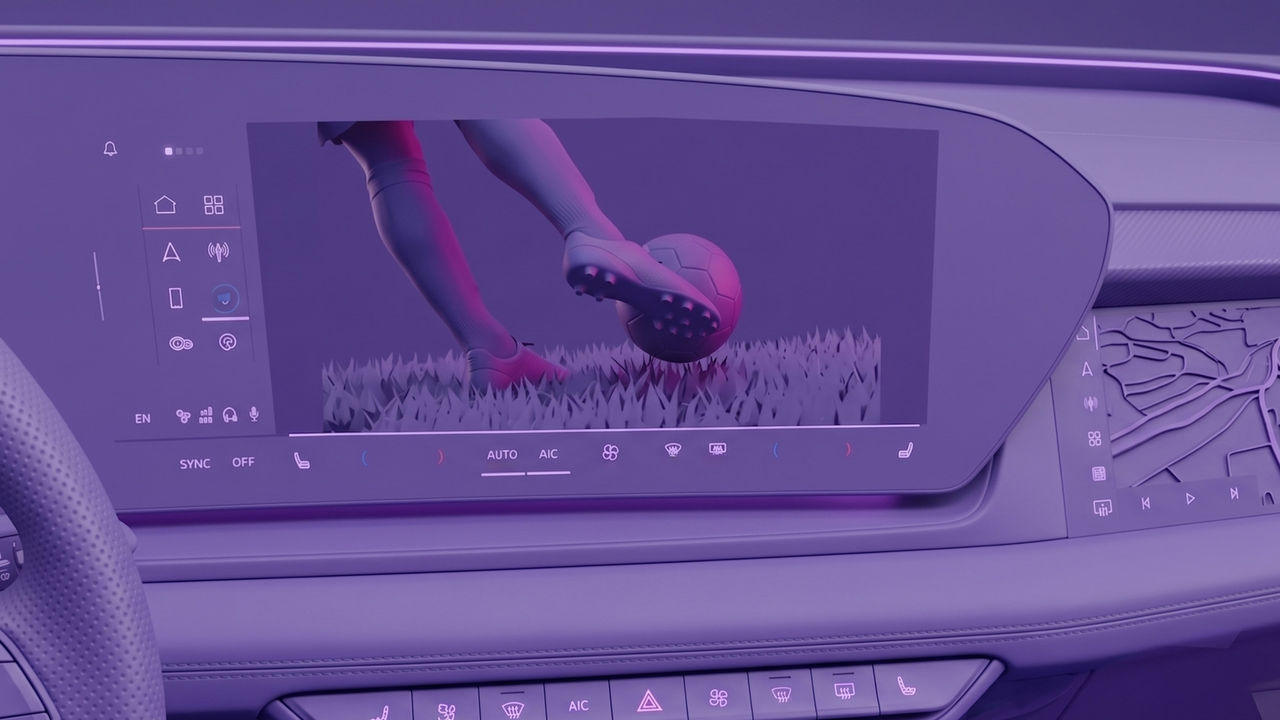
The Biggest Matchday Is Still Ahead
The closer a tournament gets to the final, the more every minute starts to matter. The route to the stadium, the drive to a public viewing spot, the charging stop on the way, the last-minute score check before kick-off: for fans, matchday has become more than the 90 minutes on the pitch.
With the final scheduled for July 19 in New York New Jersey, the World Cup is entering the stretch where traffic gets heavier, plans get tighter and fans get louder. That is exactly where connected vehicle software can make the difference. In Volkswagen Group vehicles, navigation, charging services, digital assistants, entertainment and driver assistance systems can work together to make the journey feel less like a checklist and more like part of the experience.
How vehicle software works together
Mapping the Matchday, Not Just the Route
Traffic on a matchday rarely behaves like normal traffic. It builds around stadiums, public viewing areas and city centres. It changes as kick-off approaches. Intelligent routing and charging software treats the trip as one connected task instead of separate decisions: getting there, staying charged and finding a place to park.
The navigation system can combine live traffic, battery state and charging network data into a useful route. If congestion builds up, the route can change. If the battery level makes a charging stop sensible, the planner can fold that stop into the journey. And when the last few kilometres become the familiar matchday crawl, parking guidance can help drivers spend less time circling and more time getting ready for the game.
The clever part is what fades into the background. Charging, routing and arrival planning work together, helping drivers avoid last-minute detours and keep the journey calmer. That is the human value of connected mobility: the car handles more of the friction, so fans can focus on the match.
The Digital Assistant, Playing as a Number 10
Every good team needs a playmaker. Inside the vehicle, that role goes to the digital assistant: a voice interface designed to make connected services easier to reach while drivers stay focused on the road. It turns software into something simple and human: a question, an answer, an action.
During a tense tournament week, that can mean asking for a score update, checking the next fixture, changing the route or setting the right pre-match playlist without tapping through menus. The important part is not the assistant on its own. It is how navigation, media, connectivity and vehicle systems can come together at the exact moment a driver needs them.
Between the Whistles: Entertainment On Wheels
Not every part of a matchday is spent driving. Sometimes you're early, sometimes your friends are late, and sometimes traffic decides you'll watch the first half from a charging bay. In-car apps made those in-between moments part of the experience instead of dead time.
Music set the pre-match mood. Media apps could bring football coverage to the passenger side of the cockpit, while the driver kept eyes on the road. Sports content kept fans connected beyond the tournament. And when a late goal made someone in the passenger seat jump, driver assistance features helped keep the drive steady. Software should never celebrate louder than the fans.
Why Any of This Matters Beyond This July
The World Cup is a stress test. Weeks of unusual traffic patterns, unusual charging demand and unusual emotional load are compressed into one tournament. The fact that connected vehicles ran through it without becoming the story is exactly the point. A car built around connected services can adapt to a regular commute and to the biggest sporting event on earth using the same foundation, just tuned differently.
For the Volkswagen Group, this is the larger software story: cars are becoming more connected, more personal and more helpful over time. Every update, every service and every driver assistance refinement adds to a broader shift in the driving experience. Software is no longer a layer on top of the vehicle. It is part of the experience itself.
Full-time whistle. The fans go home. The updates keep rolling.
*This article contains AI-generated imagery

Share this article


-
The car that gives everyone their own weather
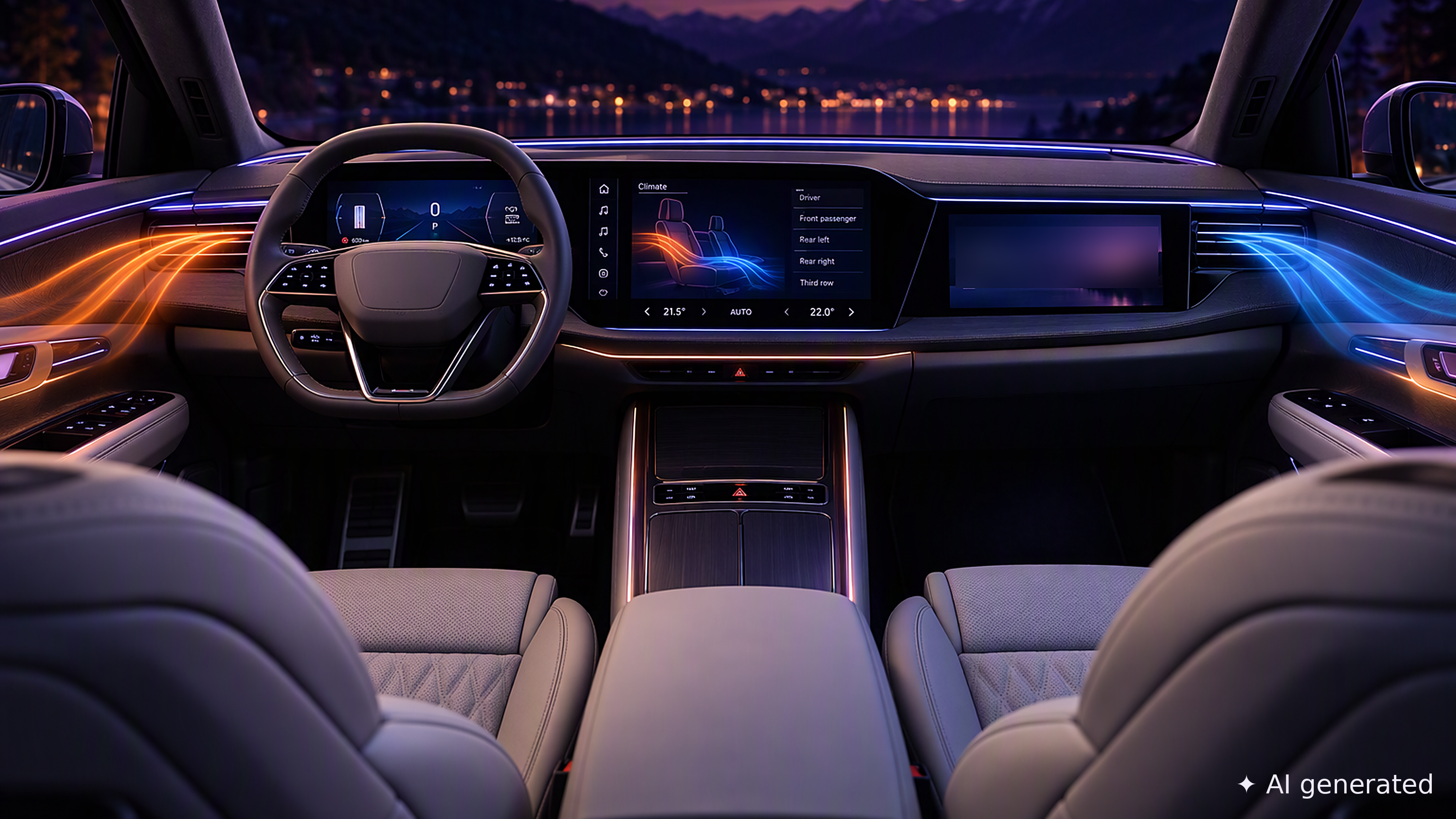 Five zones share one climate unit in the Audi Q9. Here is how the software keeps the driver cool, the kids warm and the third row in the game.19/10/2026
 -
DECODED: What is driving dynamics?
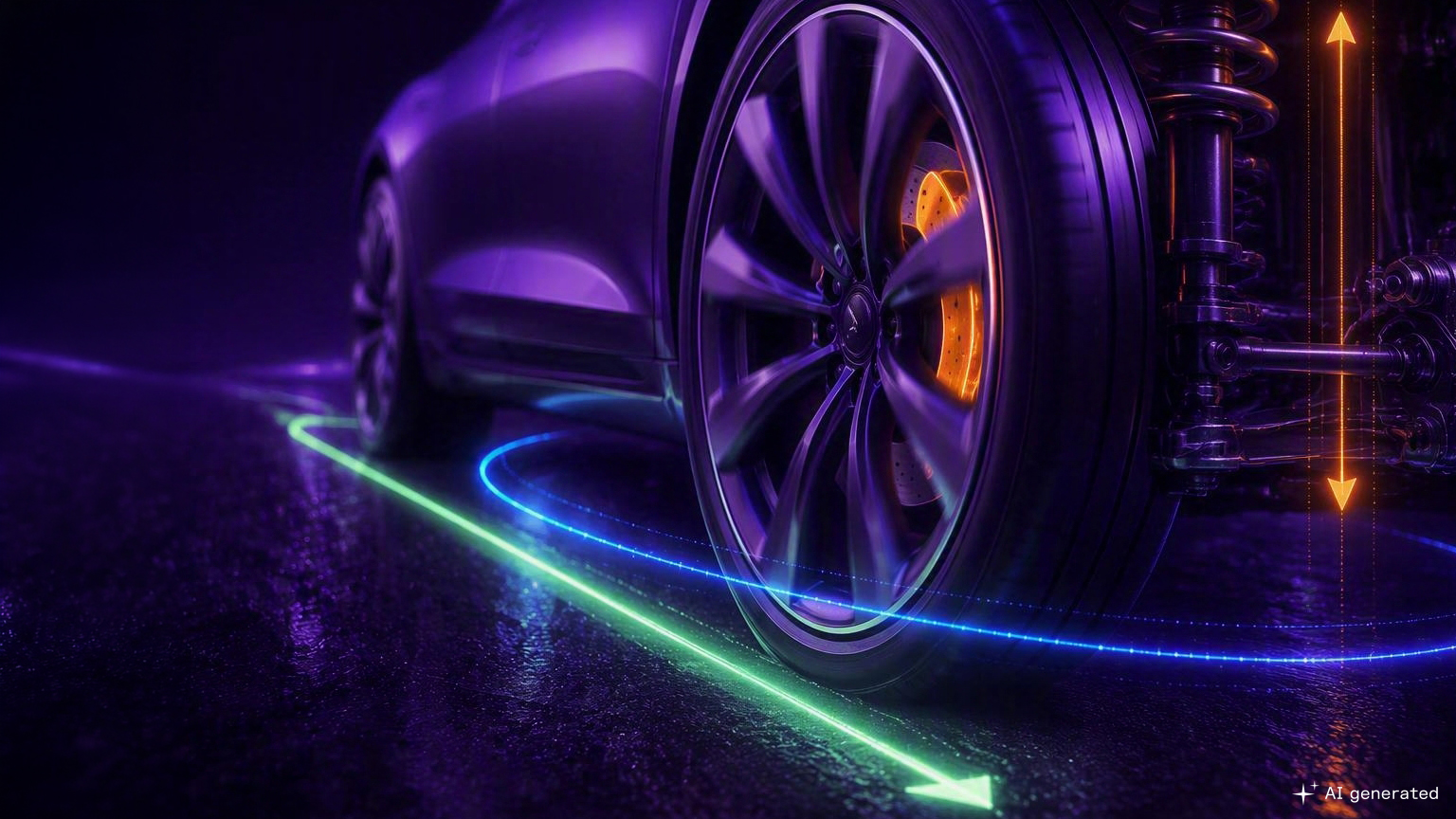 The three kinds of motion behind every drive, and the software that keeps them in sync.22/09/2026
 -
DECODED: Why do modern cars need so many different sensors?
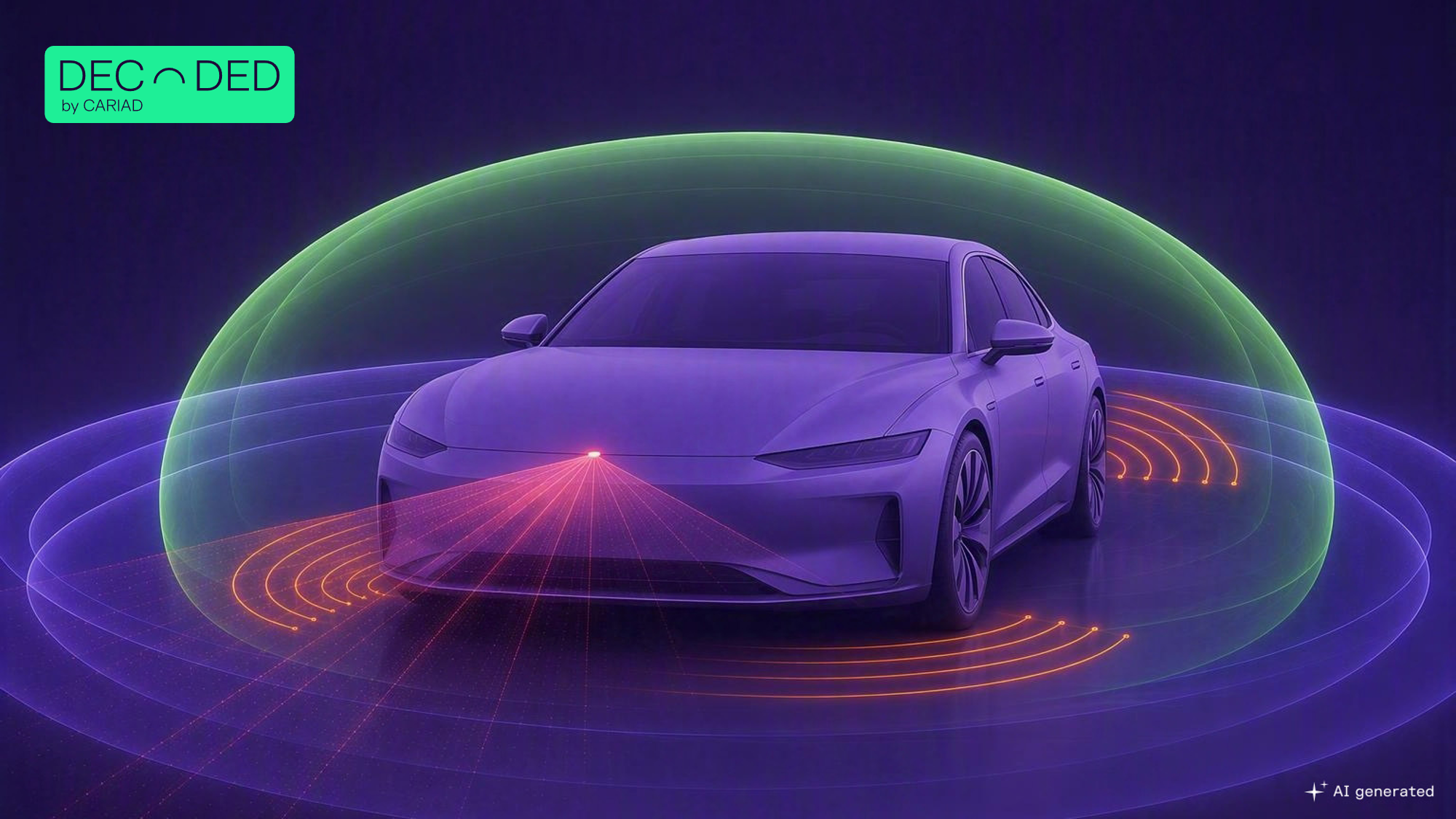 No single sensor sees it all. Discover why automated driving relies on multiple perspectives.09/09/2026