
Bidirectional charging means electricity can flow in two directions: from the grid into the car and from the car back to another energy system. Depending on the setup, that could be a home, a building or the power grid. The key idea is that the EV battery becomes temporary storage, not just a place to hold energy for driving.
05/08/2026
- 5 min.
How EVs Could Benefit Drivers and the Energy System
Bidirectional charging could turn electric vehicles into grid-balancing power banks. Research at CARIAD explores how drivers might benefit from it.
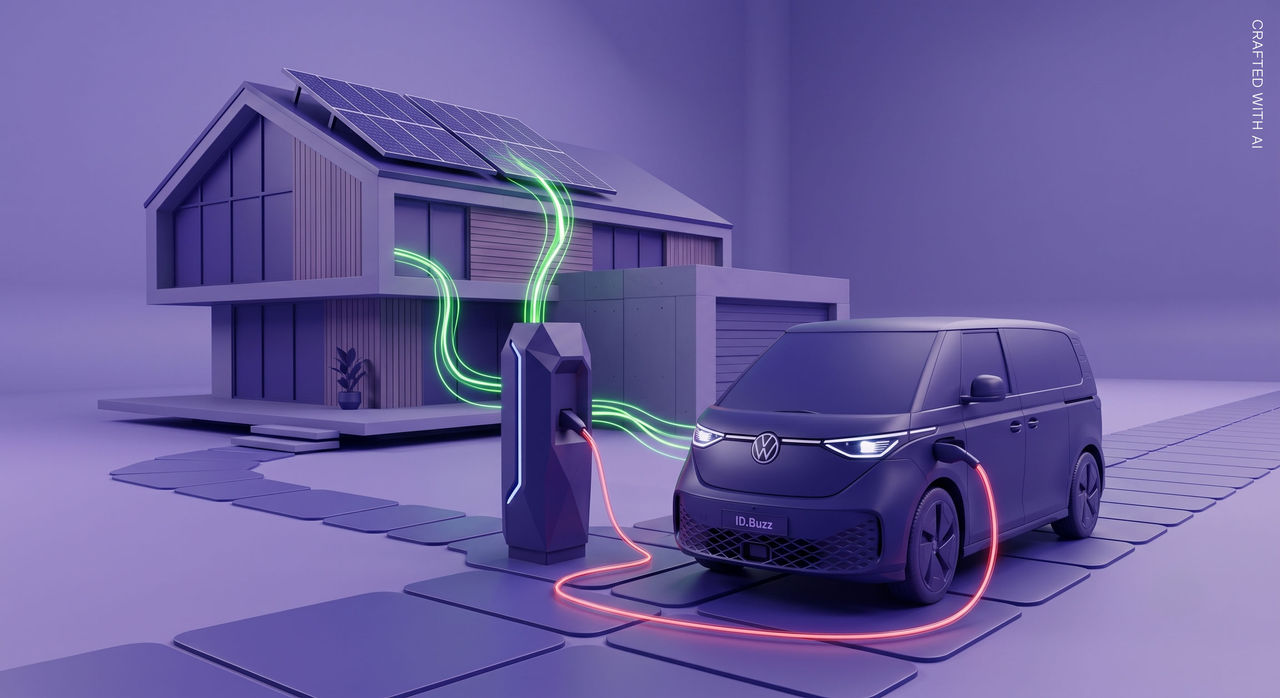
Hidden beneath the floor of every EV is one of the most powerful energy assets many people will ever own: a battery large enough to power a household for days.
The challenge is that today, those batteries mostly wait. In parking garages, on driveways, outside office buildings.
What if they could do more? What if an electric vehicle could support the power grid, absorb excess renewable energy when the sun is shining, feed electricity back when demand peaks, and generate additional value for its owner, all without changing how people drive?
That question sits at the center of doctoral research conducted by Francesco Maldonato, PhD researcher for Charging & Energy at CARIAD. His work explores how bidirectional charging could transform electric vehicles from energy consumers into active participants in an increasingly renewable energy system.
“A parked car is more than transportation. It can become a flexible energy resource that creates value for both drivers and the grid,” says Francesco Maldonato.
Many of the capabilities described in this research depend on future regulatory frameworks, charging infrastructure, market conditions, and vehicle functionality. But the work explores what may become possible as Vehicle-to-Grid ecosystems mature.
What is bidirectional charging?
The missing piece in the renewable energy puzzle
Renewable energy is growing rapidly. Solar panels generate electricity when the sun shines. Wind farms produce power when conditions are right. The problem is timing.
People rarely consume electricity at the exact moment it is generated. Energy systems constantly have to balance supply and demand, and that balancing act becomes harder as renewable sources account for a larger share of the mix.
Traditionally, utilities rely on large-scale infrastructure to absorb these fluctuations. But another solution is already arriving in driveways around the world.
Electric vehicles contain batteries that often remain unused for hours at a time. If these batteries can intelligently charge and discharge when needed, thousands or even millions of vehicles could together form a vast distributed energy network. This concept is known as Vehicle-to-Grid, or V2G.
What is Vehicle-to-Grid (V2G)?
Vehicle-to-Grid (V2G) enables electric vehicles to both draw electricity from the grid and feed it back when required. Instead of charging passively, a connected EV becomes an active energy resource that can help stabilize electricity networks, integrate renewable energy, and unlock new value for owners.
Turning cars into smart energy assets
Making V2G work at scale is not simply a matter of sending energy back into the grid. The real challenge lies in orchestration, realizing Vehicle-to-Grid at scale requires close collaboration between automakers, charging providers, utilities, grid operators and software platforms.
Drivers still need their cars charged and ready whenever they want to travel. Electricity prices fluctuate throughout the day. Grid requirements can change within minutes. Charging infrastructure varies across regions and providers. Francesco's research focuses on creating the architecture that connects all these moving pieces.
The goal is to develop a framework that allows intelligent charging services to operate across different charging ecosystems while always prioritizing user needs.
One particularly exciting area involves AI-powered charging management. Rather than relying on fixed schedules, software could learn recurring mobility patterns and automatically determine the best moments to charge or discharge a vehicle's battery. The system would understand when a driver typically leaves for work, how much energy is needed for planned trips, and how the vehicle can support the grid without affecting everyday mobility.
It is a shift from charging electric cars to managing energy intelligently.
The AI agent behind the plug
The most relatable way to think about this research is simple: imagine a smart energy assistant for your car. Not a chatbot that talks about charging, but a software agent that quietly plans it.
It knows when you usually drive. It knows when your car is plugged in. It understands how much energy you need for the next trip. It can respond to energy prices, grid signals or renewable energy availability, and make charging decisions in the background, as long as they respect the driver's needs.
That is the promise of smart bidirectional charging. Instead of asking users to think like electricity traders, the software does the orchestration. The user sets the boundaries. The system finds the best schedule.
“The exciting part is not only that an electric car can store energy. The real challenge is making that storage smart enough to support the grid while still fitting naturally into a person's daily life,” says Maldonato.
The surprising number: At least €400 per year
One of the most interesting findings from this research is the potential financial benefit for drivers. Simulation results suggest annual earnings of at least €400 per vehicle, with some V2G applications and business models enabling revenues exceeding €700 per year. That income would come from making battery capacity available when energy markets need flexibility most. Actual earnings would depend on regulation, infrastructure, electricity prices, and local market conditions, but the finding highlights a fundamental shift: instead of representing only transportation costs, EVs could become active contributors to household energy value.
“The best part is that drivers don't necessarily need to change how they use their vehicle. The technology works around their mobility needs,” says Maldonato.
Beyond charging: A new role for connected vehicles
For decades, cars have been designed primarily to move people from A to B. Connected vehicles can do more. They can receive software updates, interact with digital services, support driver assistance systems, and increasingly become part of broader digital ecosystems.
Bidirectional charging extends that idea into the energy world. Vehicles become part of a network that connects mobility, renewable energy, charging infrastructure, and intelligent software. This sits naturally within CARIAD's work on energy and charging software, which optimizes energy consumption and flow, recuperation and charging efficiency through predictive control and real-time data, as described on our Motion Stack page.
For the Volkswagen Group, this represents another opportunity to combine digital innovation with practical benefits that customers can experience directly. Not in some distant future, but through technologies that are already being tested today.
From research to real-world impact
Research projects often begin with an idea. The most impactful ones end up changing how people live and interact with technology.
Through collaborations such as the Bi-CCS project at Brandenburg Technical University in Cottbus, Francesco and his partners are testing how Vehicle-to-Grid concepts perform under real-world conditions. The goal is to move from theoretical potential to practical integration: cars, chargers, grid signals and user needs all working together.
A single EV battery can help a household. A fleet can do more. If thousands of vehicles are plugged in at homes, offices, depots or public charging points, their combined storage capacity becomes meaningful. The challenge is coordination and that is exactly where the architecture Francesco is designing becomes decisive.
What comes next
Millions of electric vehicles will hit the road in the coming years. The batteries inside them represent enormous, untapped potential. The question is no longer whether those batteries can store energy. The question is how intelligently we can use it.
If bidirectional charging succeeds, drivers may not think about grid balancing at all. Future charging services could increasingly automate these decisions. And while the car is parked outside, it may be doing something new: helping the grid, supporting renewables and creating value for the person who owns it.

Share this article


-
The car that gives everyone their own weather
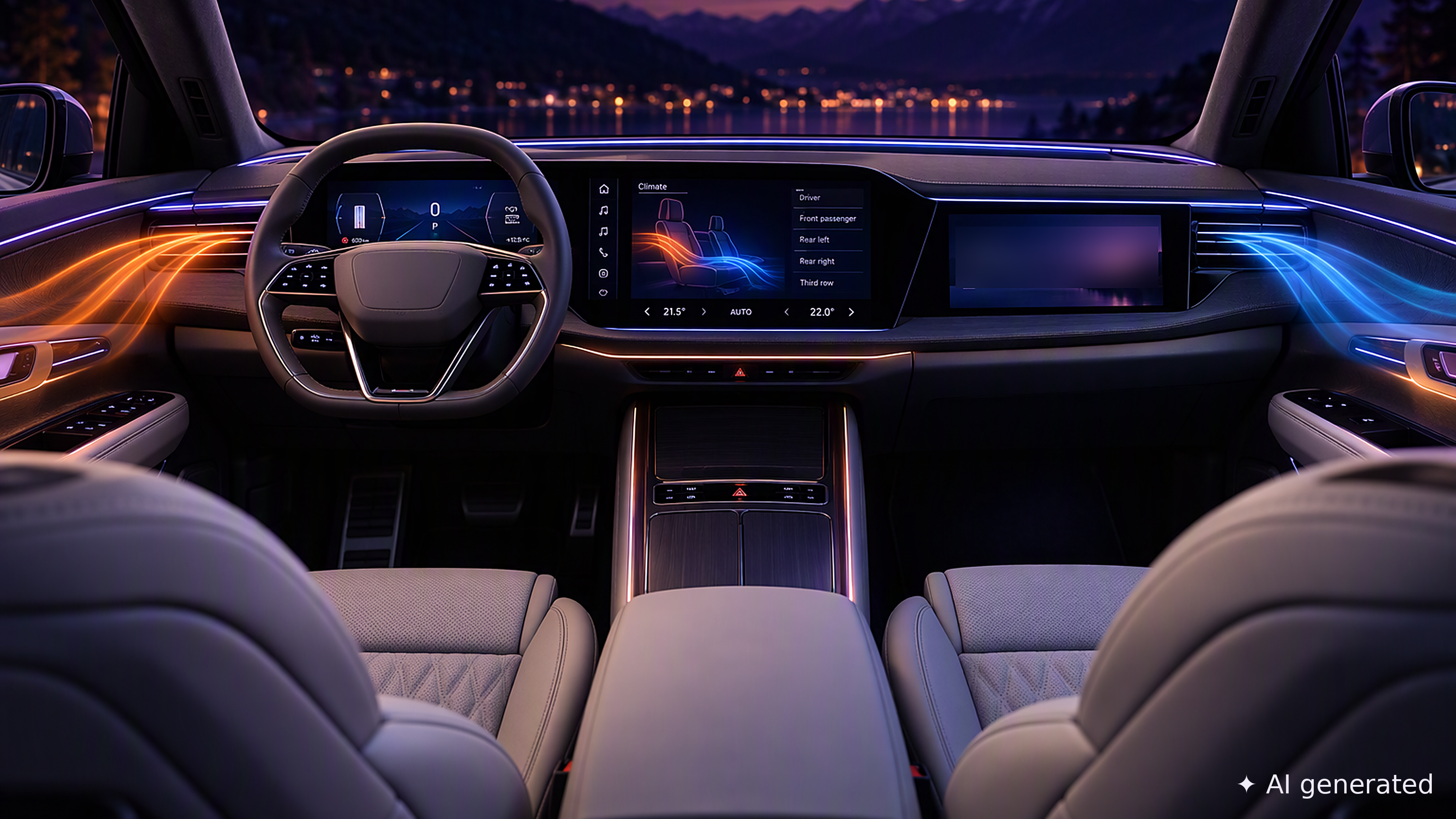 Five zones share one climate unit in the Audi Q9. Here is how the software keeps the driver cool, the kids warm and the third row in the game.19/10/2026
 -
DECODED: What is driving dynamics?
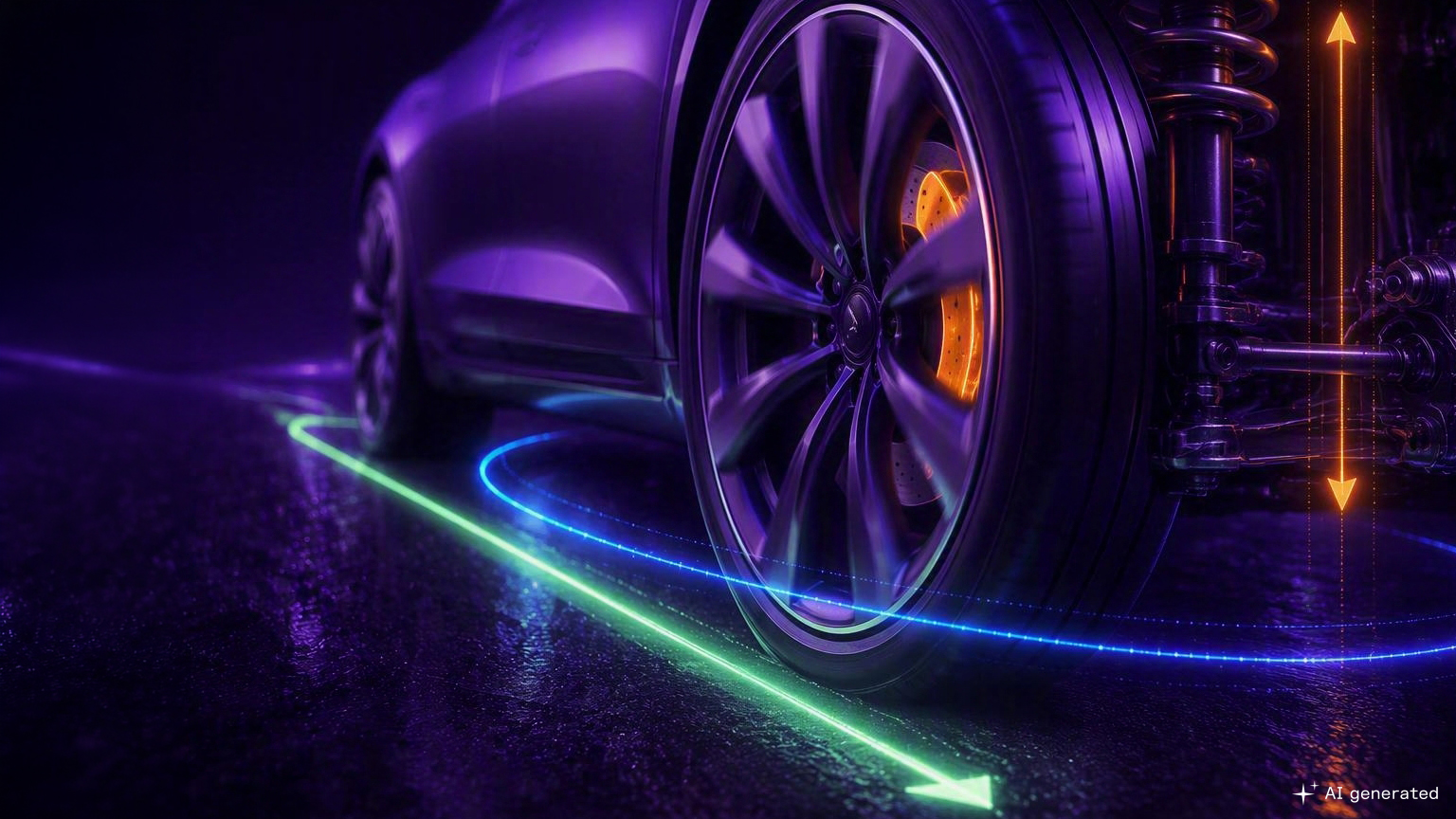 The three kinds of motion behind every drive, and the software that keeps them in sync.22/09/2026
 -
DECODED: Why do modern cars need so many different sensors?
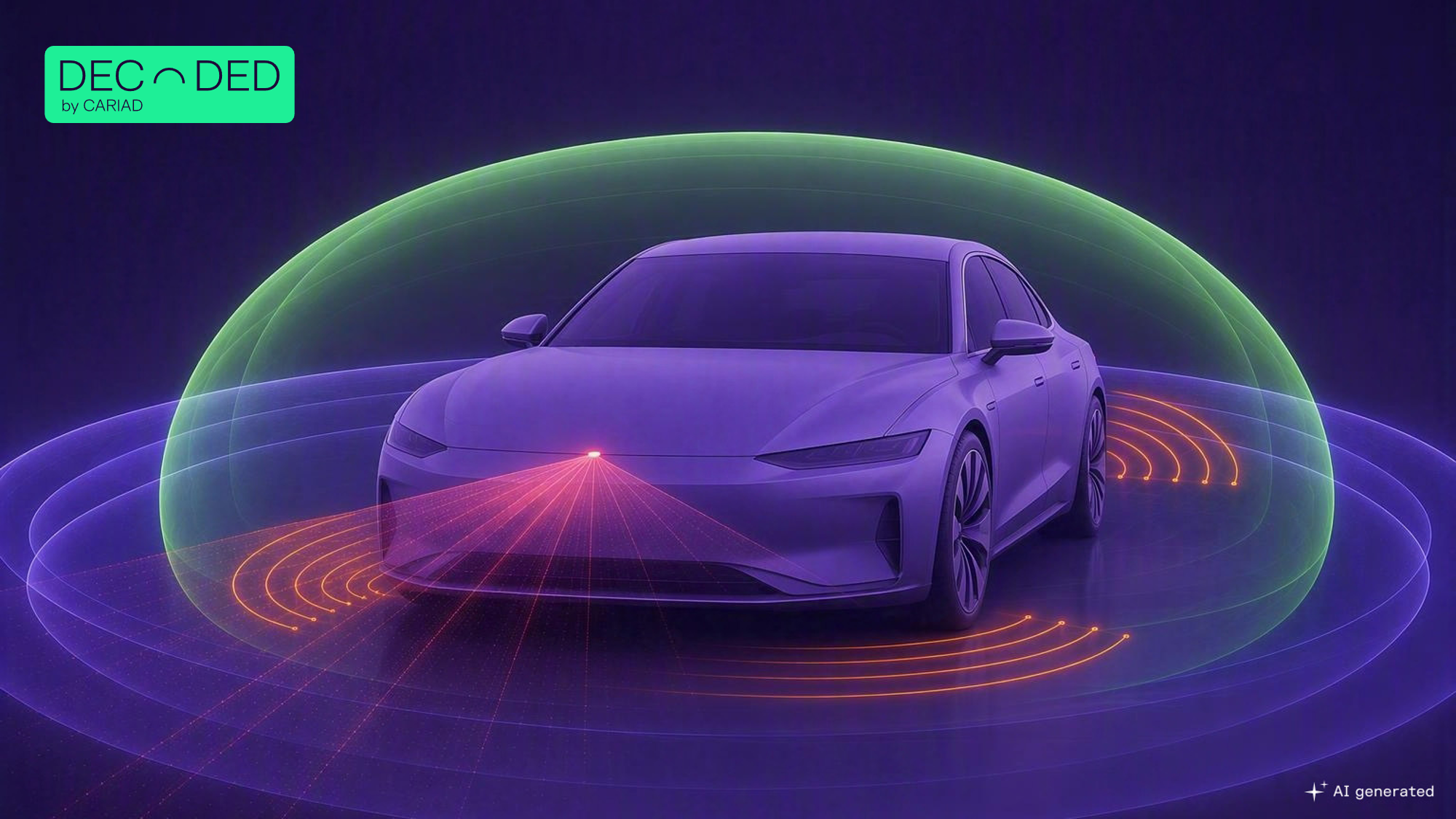 No single sensor sees it all. Discover why automated driving relies on multiple perspectives.09/09/2026