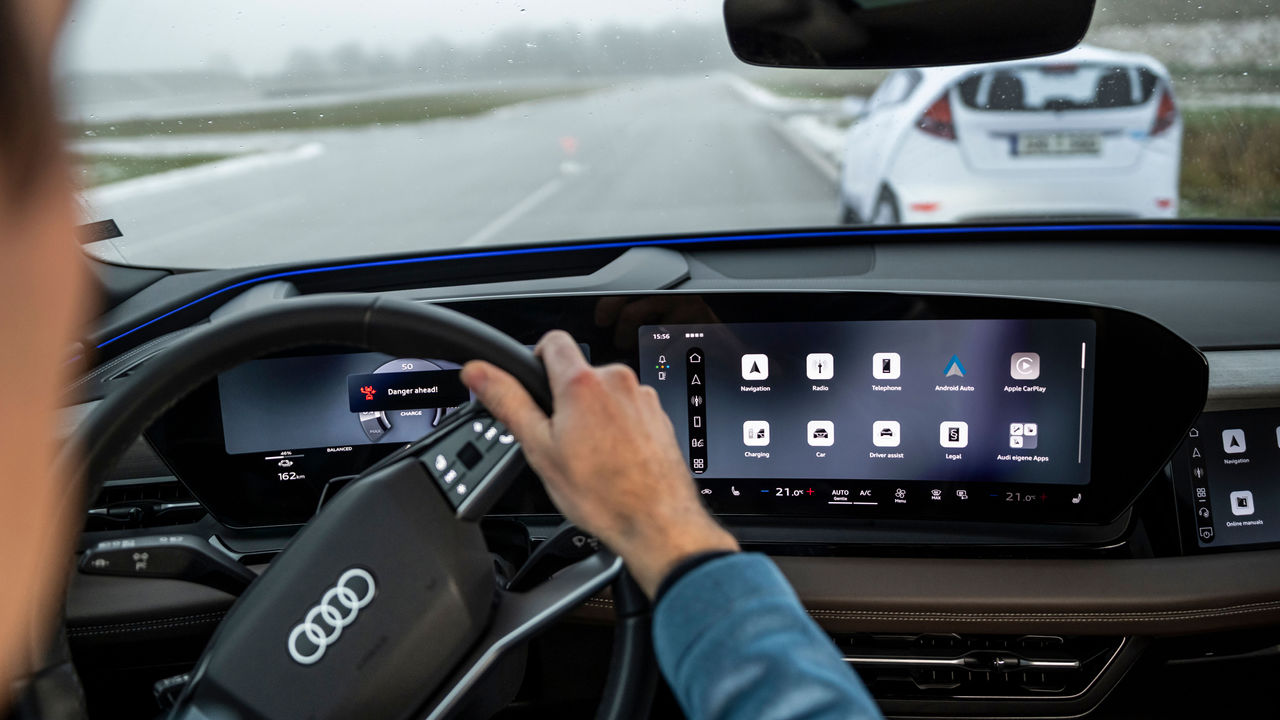
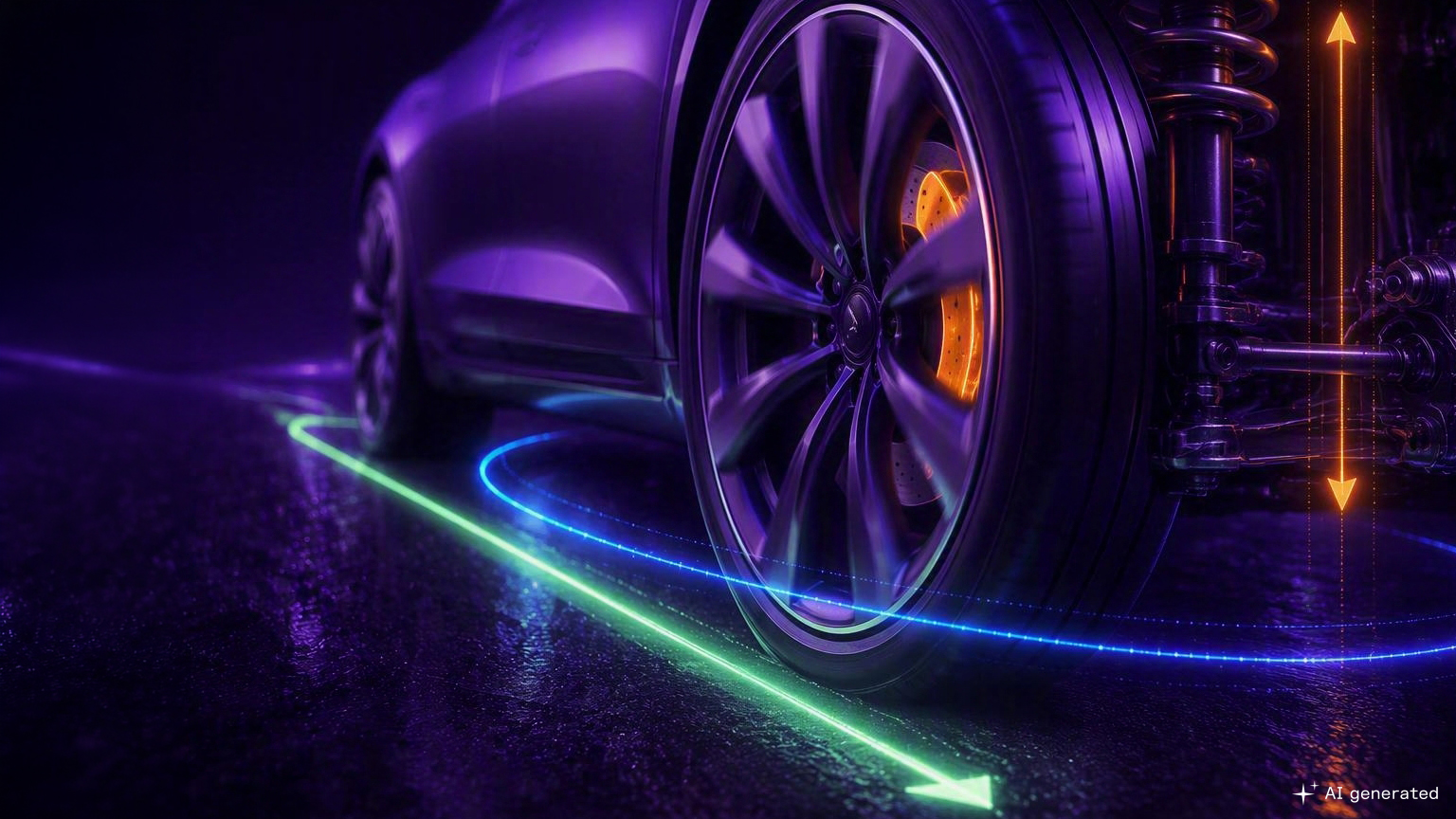
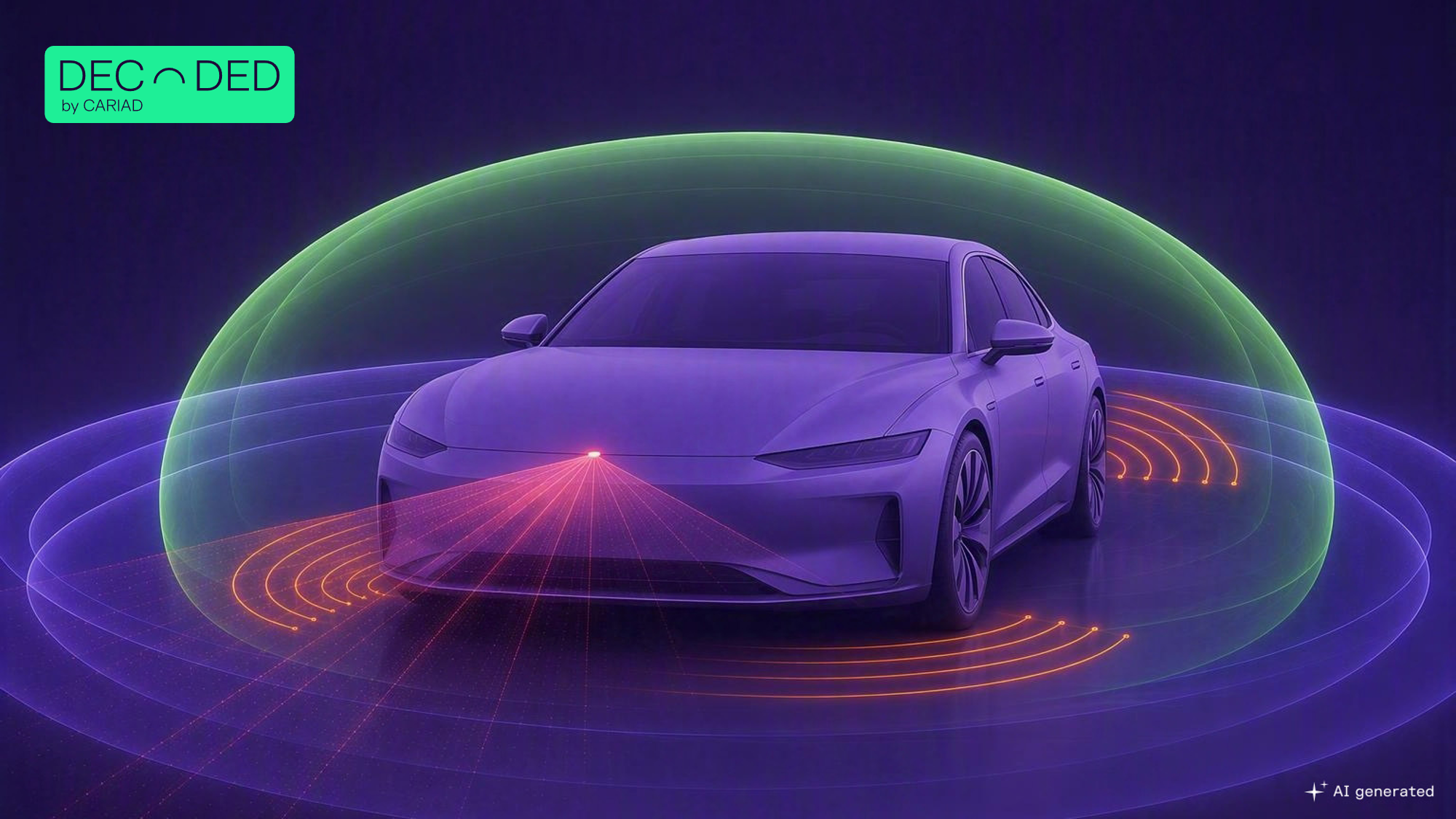
Even though this is “only” a controlled evasive maneuver, the potentially life‑saving action requires high computing power and intelligent algorithms. Data from the front camera, the front radar, and the two front corner radars are continuously processed. Every 20 milliseconds – 50 times per second – this data is used to generate an environment model, which is then evaluated. Obstacles are identified, the course of the road is calculated, and the lane markings are analyzed. The latter are particularly important because Evasive Steering Assist is subject to many conditions and the vehicle is not allowed to leave its lane for legal reasons.
The driver always retains ultimate control
This distinguishes the Evasive Steering Assist, for example, from other evasive assistance functions. In situations with an acute risk of collision, this supports the driver in an evasive maneuver that he or she actively initiates himself – consequently also when swerving beyond the center line. Dr. Lukas Stark: "These two systems work together to create a well‑rounded Evasive Assistance package that helps customers avoid collisions. One of CARIAD’s key challenges was to define the maximum acceptable steering dynamics. Although evasive steering assist reacts much faster than any human, the driver always retains ultimate control. Any active steering input immediately overrides the assistance system – even if this results in an accident.”
Because of this, the team devoted significant efforts to fine‑tuning the system. Alongside extensive developer testing and in real traffic across numerous countries, driving studies with test subjects played an important role in shaping the Evasive Steering Assist behavior.
The result: Evasive Steering Assist is more than just a technical innovation. In critical situations, the system can prevent accidents – an important contribution to road safety.
Evasive Steering Assist is available in the Audi models A5, Q5, A6, A6 e-tron and Q6 e-tron.