
CARIAD software contributed to Audi Q7’s five-star Euro NCAP rating
Five stars for the Audi Q7 in Euro NCAP 2026. CARIAD software contributed to Safe Driving and Crash Avoidance, underlining the growing role of software in vehicle safety.
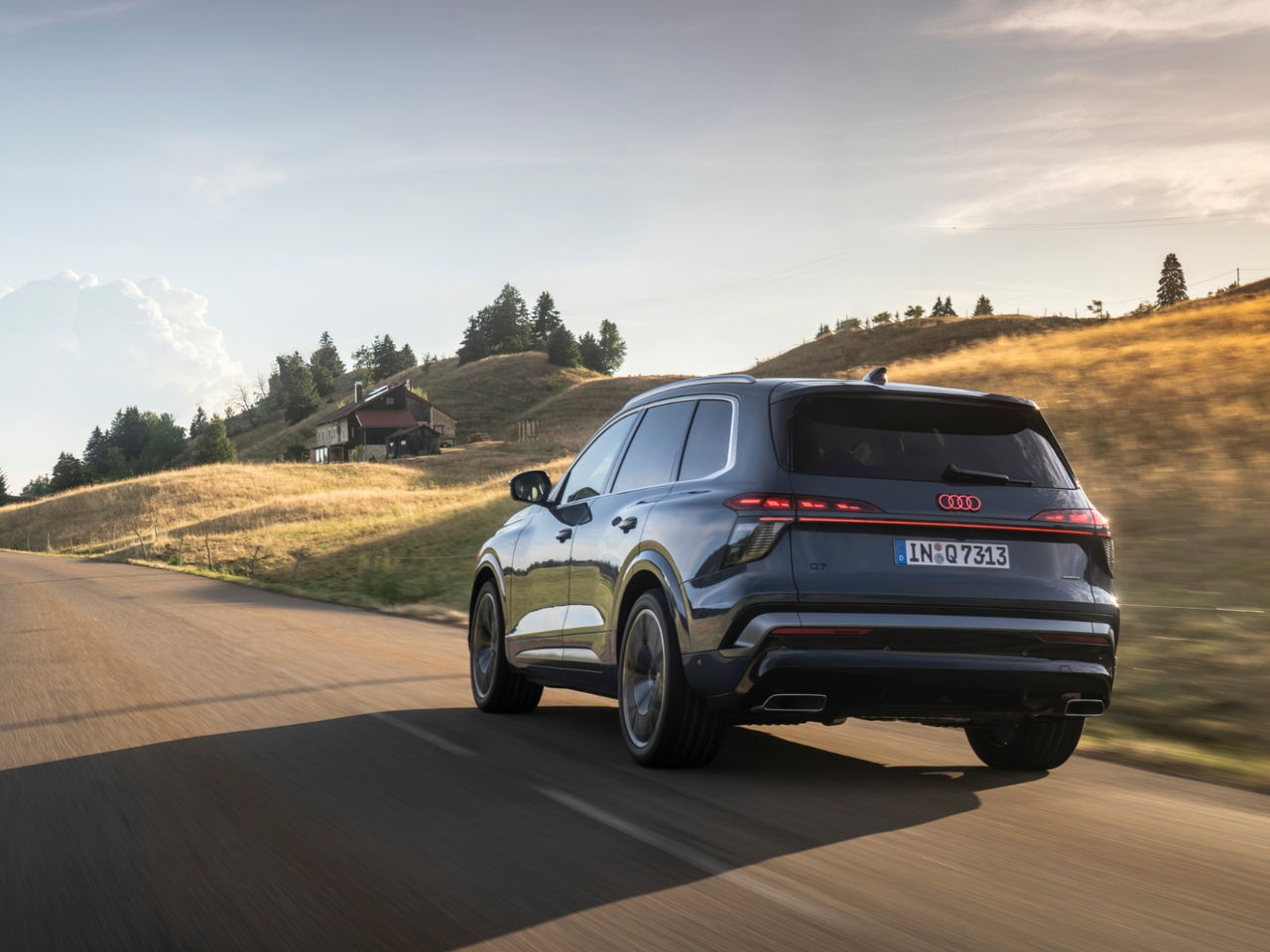
The Audi Q7 has achieved five stars in the Euro NCAP 2026 assessment, including the maximum score in Post-Crash Safety. CARIAD software contributed specifically to its performance in Safe Driving and Crash Avoidance, demonstrating the growing role of software alongside proven physical safety systems.
Software adds a new layer of safety
Strong body structures, airbags and seat belts remain essential, but software adds another layer of safety: it interprets sensor data, assesses the driving situation and surrounding traffic, connects vehicle systems and initiates warnings or interventions when necessary.
Ten CARIAD-developed customer functions were part of the Audi Q7 assessed under the Euro NCAP 2026 protocols, with particular relevance to Safe Driving and Crash Avoidance.
Safety starts before a situation gets critical
Modern vehicle safety begins well before a potential impact. Software continuously evaluates information about the driving situation, the vehicle and the surrounding traffic. Attention and Drowsiness Assist detects signs of distraction, drowsiness or sleep and warns the driver. Based on the driver’s detected state, it can also adapt other assistance functions, including Active Front Assist, Lane Assist and Emergency Assist.
These functions share information and can therefore respond better to the situation. “Attention and Drowsiness Assist is a great example of how different inputs come together to enhance safety while maintaining a positive customer experience. Developing these features requires close collaboration across the functional chains, from the Driver Monitoring System team to our colleagues responsible for regulatory information. This ensures that the function translates the detected driver state into the right vehicle response,” says Niklas Peuckmann, Function Owner E³ 1.2.
Software turns data into safer driving
Adaptive Cruise Assist made a significant contribution to the Q7’s Safe Driving rating. It combines adaptive cruise control with lane centering and responds to the road and traffic environment. The Euro NCAP assessment tested the function in braking and steering scenarios on the proving ground as well as during a 2,000-kilometer drive on public roads across four countries to check the reaction to situations such as curves, stop signs and changing speed limits.
The performance of the Q7’s traffic sign visualization function was assessed during the same drive and exceeded the required true-positive rates by a clear margin. Beyond robust detection by the camera and fusion of additional inputs such as maps and online data, the function demonstrated its ability to correctly interpret all advanced speed limits assessed by Euro NCAP, including conditional speed limits based on time or weather conditions.
This demonstrates the central role of software: sensor data alone does not make a vehicle safer. Software must combine sensor input with other sources, including map data, interpret the driving situation, and translate the information into clear, predictable support.

The right response at the right moment
Vehicle safety depends not only on detecting hazards, but also on initiating the right response.
Active Front Assist’s latest generation covers a broader range of complex traffic situations, including small-overlap and higher-speed turning scenarios. Improved performance in obstructed situations helps detect and de-escalate risks, including when starting from a standstill. If the driver is detected as distracted or drowsy, the system can provide an earlier front-collision warning, giving them more time to react.
Vittorio Ferravante, Active Front Assist Project Manager E³ 1.2 at CARIAD, comments: “Hopefully, customers will never need to experience the full potential of active safety features. If necessary, their true value becomes evident in critical situations, where they can help prevent accidents, reduce their severity and ultimately save lives. With an already comprehensive function, extending its scope becomes increasingly challenging. Each expansion requires significantly more development, testing and validation.”
CARIAD’s latest generation of Lane Assist combines effective assistance with predictable behavior to help drivers stay in their lane. Driver-intention detection distinguishes between an unintended lane departure and a deliberate maneuver, helping to avoid unnecessary warnings and interventions. Simon Hackenjos, Function Owner for Lane Assist at CARIAD, explains: “A key factor in our success was the close collaboration between the teams throughout the development chain, from specification and software development to integration, application and testing. Our in-house approach, including software builds outside the regular release cycle, enabled short feedback loops and rapid optimization based on test results. This gave us the flexibility needed to keep pace with the Euro NCAP protocol development.”

Safety is a continuous software task
Software is becoming increasingly important to vehicle safety. It monitors the driver, interprets the road environment and coordinates assistance functions. This is also reflected in the updated Euro NCAP framework, with its stronger focus on driver monitoring, vehicle assistance and a wider range of crash-avoidance scenarios. Software does not replace responsible driving or proven physical safety systems. It complements them by helping vehicles recognize risks earlier and respond more precisely.
A big thank you to everyone at Audi and CARIAD who contributed to this achievement. The five-star rating reflects the teams’ expertise, commitment and excellent collaboration.


-
The car that gives everyone their own weather
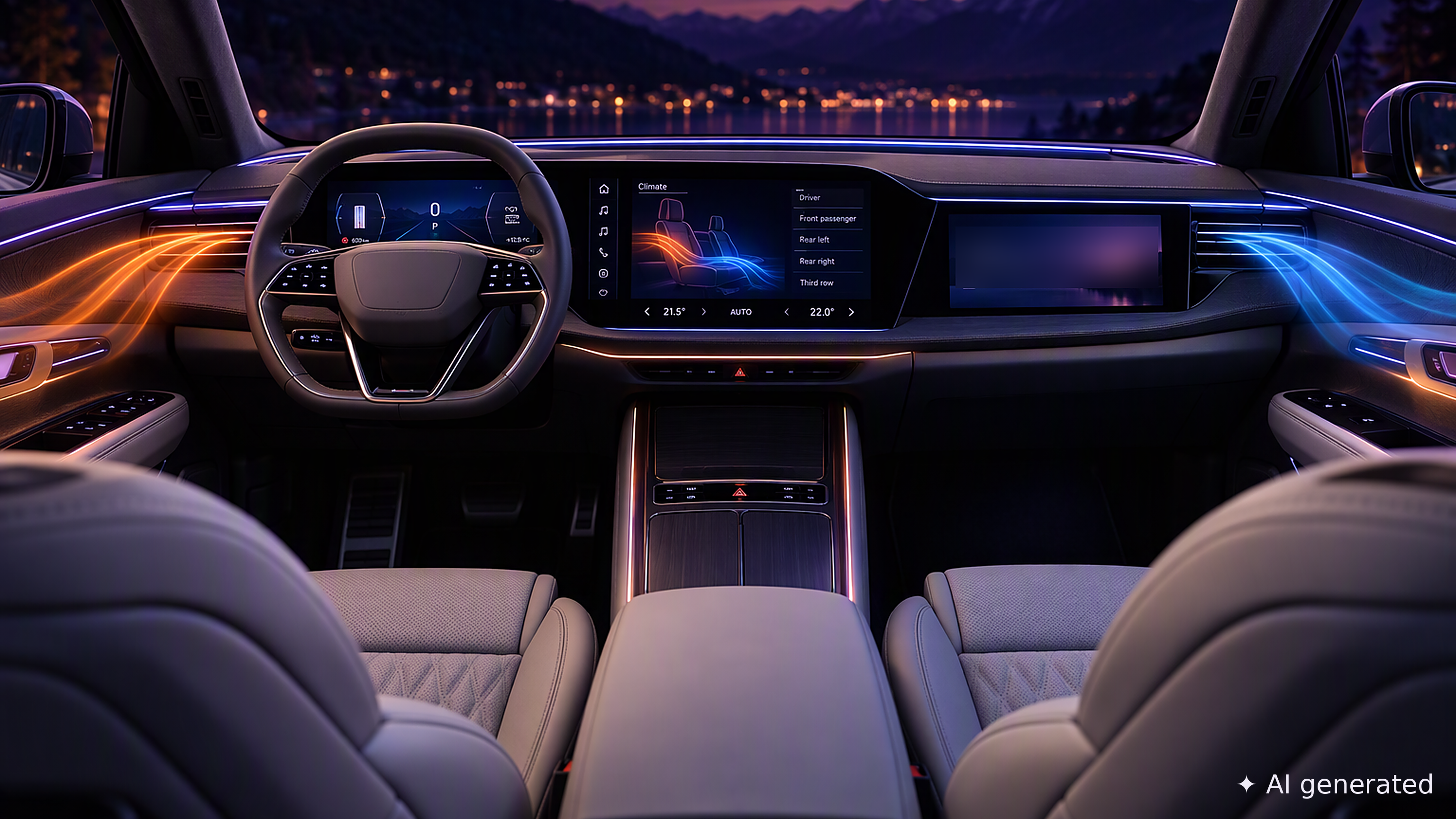 Five zones share one climate unit in the Audi Q9. Here is how the software keeps the driver cool, the kids warm and the third row in the game.19/10/2026
-
CARIAD is evolving into an AI company
 Leaner, faster and built to compete.02/10/2026
-
DECODED: What is driving dynamics?
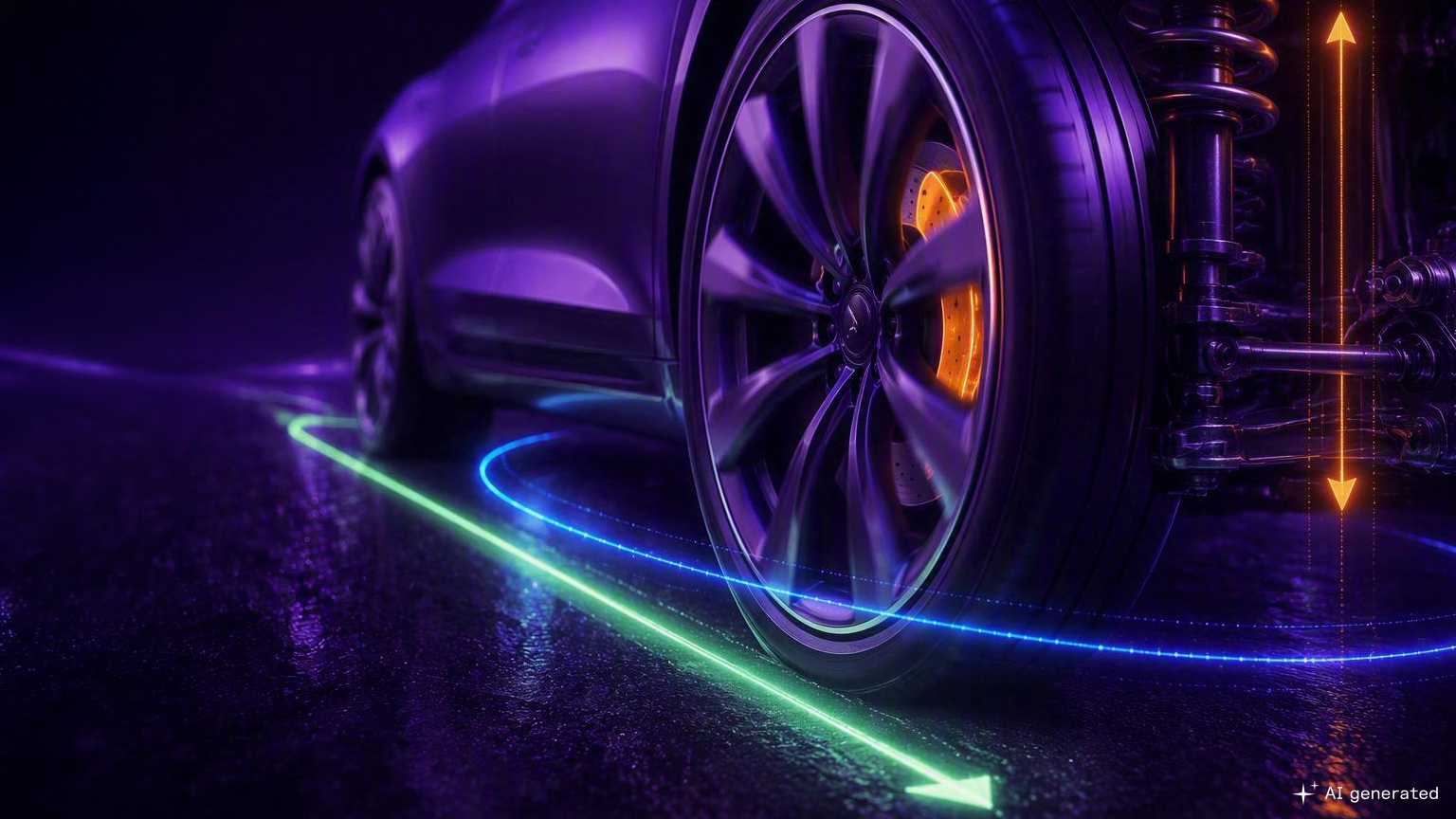 The three kinds of motion behind every drive, and the software that keeps them in sync.22/09/2026